
A crypto-funded Visa for travellers who can stomach the upfront cost
 Available in US

Crydit is a Visa payment card that you fund with cryptocurrency. The official site presents it as a card you can use in “210+ countries and regions”, with a wallet that supports roughly 1,000 cryptocurrencies and more than 160 fiat currencies, assets custodied with Cobo and Ceffu, and compliance with MSO and VASP frameworks. The marketing pitch is straightforward: load crypto onto the card, spend it like any other Visa, pay in local currency wherever the card is accepted. The reality, once you read past the headline, is a more mixed picture — a steep upfront cost, fees that bite on every transaction, and a KYC process that users describe as slow. This review walks through what Crydit is, what it costs, who it is for, and what you should check before you apply.
The conditions in this review are current as of October 28, 2026.
Verdict
Crydit sits at 5.5 out of 10 in my scoring. It is a real, working Visa card, not a token sale or a waiting list, and the breadth of supported countries is genuinely useful if you live somewhere ordinary banks are slow to serve. But the upfront issuance fee — $199 according to the comparison table on the official site, or $249 in the same page’s mobile layout — is high for a prepaid product, and there is no annual fee to soften that. Spending 0.8 USDT plus 1.5% per transaction, plus 2.5% at the ATM, means every coffee and every cash withdrawal eats into your balance. Users I have read about in third-party reviews say KYC approval can run to several business days and that support can be slow. The product fits a narrow profile: a traveller or remote worker who wants a Visa denominated in crypto, has the budget for the issuance fee, and is comfortable with the risk that comes from holding balance on a custodial platform.
| Criterion | Score | Why it matters |
|---|---|---|
| Who can get it | 8 / 10 | Official site claims 210+ countries; no exclusion list is published |
| Cost | 2 / 10 | $199 issuance (or $249 on mobile), 0.8U + 1.5% per spend, 2.5% ATM fee |
| Top-up options | 6 / 10 | Around 1,000 cryptocurrencies and 160+ fiat currencies, networks not specified |
| Reliability and complaints | 6 / 10 | MSO and VASP licences claimed, custody with Cobo and Ceffu, KYC delays reported by users |
| Everyday use | 6 / 10 | Physical Visa with NFC, virtual cards, Apple Pay in preparation |
| Total | 5.5 / 10 | A real product with a narrow audience |
If you want a crypto-funded Visa and the upfront cost is not a deal-breaker, Crydit is worth a closer look. If you are looking for the cheapest way to spend crypto, or if you need a card that is certain to be accepted in a specific country, you will find better-matched alternatives further down.
Who will they give you the card
Crydit’s official site states that the card is “Used in 210+ Countries and Regions Around the World” and lists “Supported countries 210+” in its comparison table. No excluded-country list, no separate rule for citizenship versus residence, and no minimum age is published on the pages I read. That breadth is one of the card’s strongest selling points, and the reason it scores 8/10 on availability despite some other weaknesses. A third-party review, by contrast, shows a map of 54 supported countries and lists Cuba, Iran, North Korea, Russia, Syria and the United States as restricted. That figure conflicts with the official 210+ and I have not been able to confirm it from the card’s own pages, so treat it as unofficial. The key takeaway: if your country is mainstream, Crydit is likely to be available; if it is on a sanctions list, expect the application to fail at the KYC stage regardless of what the marketing says.
The single KYC step is the same for everyone, and Crydit does not publish different levels that unlock different limits or features. The card currency is not stated on the official page, which is unusual — most Visa programmes at least name the settlement currency. If that matters to you, write to support before you pay the issuance fee.
How to get it
The sign-up flow has three steps according to the official site. You choose the card, you “Complete KYC certification” which the marketing claims takes 5 minutes, and you activate the card and deposit crypto. The comparison table then lists “KYC Duration: 7 Business Days”, which contradicts the 5-minute claim, and that gap between the marketing line and the table is the first sign that you should plan for a longer wait than the headline suggests. Third-party reporting, again from CryptoCardHub’s August 2026 update, says KYC requires a government ID, a selfie, and (for the Mastercard programme) proof of address, with Visa KYC approval taking 3–5 business days. None of those document requirements are stated on the official Crydit pages I read.
The card itself is a Visa. Crydit offers a physical card — the site ticks “Physical Card”, “ATM” and “NFC” — and virtual cards under a separate “Crydit supports Virtual Credit Cards (VCC)” heading. Apple Pay is described as “under preparation” with a phased rollout; Google Pay is not mentioned. Card delivery time is not stated on the official site, and a third-party source says global shipping is included in the issuance fee with a £35 replacement charge if lost and £50 on expiry.
What this means for you in practice: have your ID documents ready before you start, expect to wait roughly a week for KYC to clear, and don’t bank on using the card the same day you sign up. If you need a card for a specific trip or payment, the safer plan is to start the application at least two weeks in advance.
What it really costs — Fees
The cost section is where Crydit loses points, and it is worth reading the table carefully before you commit. The comparison table on the official site shows an issuance fee of $199 and “Annual/Management Fee: 0”. On the same page’s mobile layout, a second figure of 249 appears; the official comparison table and the mobile figure are inconsistent and I have not been able to reconcile them, so quote both and confirm the price on the checkout screen at the moment you pay. A third-party source, dated August 2026, gives the issuance fee as $249 one-time with no annual or inactivity fee, which lines up with the mobile figure rather than the desktop table. There are no tiers — the site shows a single “VISA Card” column — so the price you see is the price you pay.

| Fee or limit | Amount (official) |
|---|---|
| Issuance | $199 (desktop) / 249 (mobile) |
| Annual / management fee | 0 |
| Top-up fee | 1% |
| Spending fee | 0.8 USDT + 1.5% per transaction |
| FX fee | not stated |
| ATM withdrawal | 2.5% |
| Free ATM allowance | not stated |
| Spending limit | “Unlimited” |
| ATM limit | not stated |
To make these fees concrete, walk through three everyday payments with me. A $5 coffee paid with the card: the top-up that funded the balance already cost you 1% to load, and the spend itself costs 0.8 USDT plus 1.5% of $5, so you give up roughly 8 cents in USDT plus 7.5 cents in cash for that coffee, plus whatever you paid in network gas to deposit the crypto. A $100 supermarket shop: 0.8 USDT (about 80 cents at recent prices) plus $1.50, again on top of the 1% you paid to fund the card. A $200 ATM withdrawal abroad: 2.5% of $200, or $5, plus the FX margin if the card settles in a different currency, and the third-party source notes that withdrawals at Danske Bank ATMs in Denmark are free while the official fee is 2.5% with no free allowance. None of these amounts will sink you, but they are also not negligible, and they add up over a month of regular spending.
One thing I should call out plainly: the FX fee is not stated on the official page. If you pay in a currency other than the one your balance is held in, expect an additional conversion cost that the marketing does not spell out. Ask support for the FX margin before you travel.
How to top it up — Top up
The funding model is the standard crypto-card pattern: deposit crypto into a Crydit wallet, then “Transfer to Card”. The site claims support for 1,000 cryptocurrencies and 160+ fiat currencies elsewhere, and “300 payment channels” under a “Supports:” section; the same site in other places says “12K+ cryptocurrencies” and “150+ fiat currencies”, so the exact numbers are inconsistent across the page. Custody is handled by Cobo and Ceffu, two institutional custodians — Crydit itself does not hold the private keys. Networks for each supported coin are not listed on the public page, which is the most important piece of information you need before you send a deposit. A common way to lose money with crypto cards is to send USDT on a network the issuer does not support, or to send ERC-20 USDT to a TRC-20 address, and the funds can only be recovered manually if at all. Until you see the supported networks for your coin in the deposit screen, do not send.
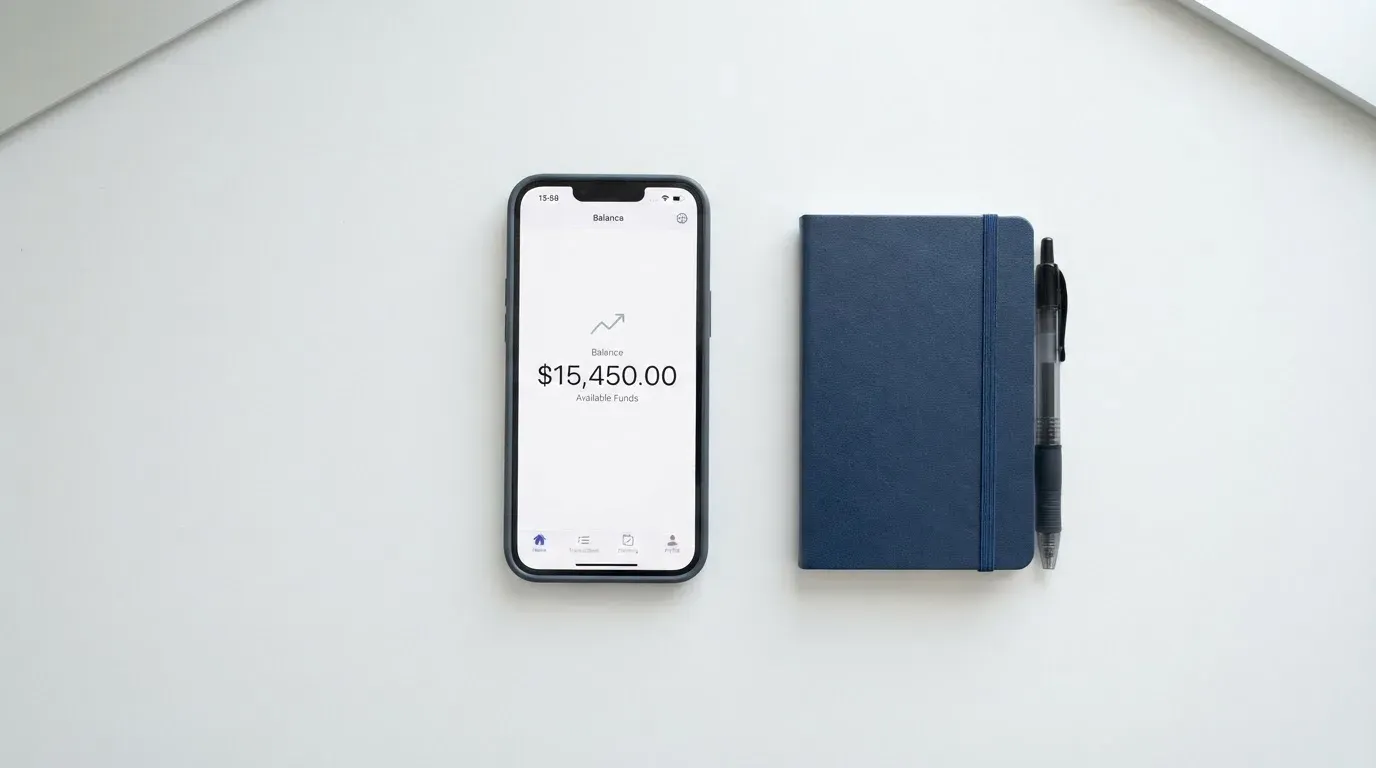
The top-up fee is 1% on the official page; a third-party source gives 1.5% for both top-up and conversion, with no FX markup and conversion at ECB rates. The official figure is the one to rely on. The minimum top-up, who pays the on-chain network fee, and whether fiat top-ups are even available are not stated on the public pages. A “Withdrawal” feature exists with a 2.5% fee, but the method to return your balance to crypto or to a bank account, and what happens to the balance when you close the account, are also not described.
For you, the practical advice is short. Use only the deposit address and network shown inside the app at the moment you fund, copy the address by hand rather than from a clipboard if your device has any history of clipboard-hijacking malware, and send a small test transaction first. If you are topping up with a stablecoin, check the network twice — sending USDT on the wrong chain is the single most common reason for lost deposits.
Paying with it every day
The day-to-day experience is what you would expect from a Visa with NFC. Tap-to-pay, online checkout, ATM withdrawals, and a virtual card for subscriptions and online purchases. The app on iOS — read 2026-10-21 — is rated 5.0 from 6 ratings, which is a tiny sample but at least the listing exists. A Google Play listing is not stated on the official site, so if you are on Android, check the store before you assume the app is available in your region.
Apple Pay is “currently under preparation and will be rolled out progressively in the future”, which means it is not live today. Google Pay is not mentioned. If mobile wallet support matters to you — and for many people it is the difference between a card they use and a card that sits in a drawer — Crydit is not there yet. Cashback or rewards are not stated on the official pages. A third-party source says cashback is paid in crypto by VIP tier, with rates visible only after login and marketing material citing up to $110,000 aggregate at the top tier. Without confirmation from Crydit’s own pages, I would not plan around that figure.
If your card is lost or you suspect it has been compromised, the app lets you suspend the card immediately and request a replacement subject to identity verification. For an unauthorised transaction, the site says “Crydit’s risk control team will intervene and initiate a formal dispute process”. The replacement time is described as “within X business days” with the X left as a placeholder on the page I read, and chargeback windows are not stated. If a chargeback matters to you — for example, you plan to use the card for a large online purchase from a seller you do not fully trust — ask support in writing what the window is before you pay.
What can go wrong
A few risks are worth naming openly, and they are not unique to Crydit but they apply here. First, custodial risk: the assets sit with Cobo and Ceffu, not with you, and you are exposed to whatever happens to those custodians. The history of custodial crypto platforms includes Mt. Gox, Coincheck and the Ronin Network hack, and the lesson is the same each time — your balance is only as safe as the company that holds it. Second, KYC and support delays: third-party reporting from August 2026 says users commonly report KYC delays and slow support responses, and Crydit’s published 7-business-day KYC window is longer than the marketing’s “5 minutes” claim suggests. If you need the card quickly, build in slack.
Third, sanctions and country rules: a third-party review lists Cuba, Iran, North Korea, Russia, Syria and the United States as restricted, even though Crydit’s own page does not publish an exclusion list. Sanctions rules are applied to citizenship and country of birth as well as to the address you currently live at, and an account can be closed if the issuer’s screening later flags you. If any of that applies to you, do not assume the 210+ figure includes you. Fourth, regulatory change: the EU’s MiCA rules took effect in stages from June 2023, with stablecoin rules from 30 June 2024 and CASP rules from 30 December 2024, and a transitional period runs until 1 July 2026 for providers already operating under national law. A crypto card typically depends on two licences — one for the crypto side under MiCA, and one for the payment-card side under e-money law — and either can change.
Fifth, the company itself: the footer names “CRYDIT CAPITAL LIMITED” but the country is not given on the pages I read, and a third-party source lists related entities in Hong Kong, the British Virgin Islands, the Czech Republic and Denmark. There is no Trustpilot page for Crydit, no Reddit presence, and no official incident notice I could find, so there is also no public track record to lean on. If a card programme is suspended — as happened with FTX in November 2022 and with WaveCrest in Europe in 2018 — the typical pattern is a notice period, then spending stops, then you are asked to withdraw your balance. Make sure you have a plan to move funds out quickly if that day comes.
What to take instead
If Crydit is not quite right, three alternatives from the same broad category of crypto-funded cards are worth a look. None of them is a perfect substitute, and each has its own trade-offs.
| Card | Score | What it is | What it does well | Where it falls short |
|---|---|---|---|---|
| Cardex | 5.6 / 10 | Debit crypto card on VERVE, Visa, Mastercard and UnionPay | Real-time crypto-to-fiat conversion with an “AI-powered” rate scan at the moment of payment; works in 200+ countries | Costs and fees not stated; App Store listing is Naira-focused |
| CardFlow | 4.9 / 10 | Virtual USD Mastercard | Free to create, ready in about 3 minutes; funding in BTC, USDT, ETH or Naira bank transfer | Aimed at Nigeria; country list and exclusions not published; fees not stated |
| HyperCard | 4.7 / 10 | Prepaid card in USD or EUR | Crypto deposits in USDT, BTC, ETH converted to card balance; acceptance in 176+ countries per App Store | Network not stated on App Store; fees and costs not stated on the pages I read |
Walk through them with me briefly. Cardex is the closest in spirit to Crydit in that it is a multi-network card with a broad country footprint, but the cost section is a blank — you would need to confirm the price before signing up. CardFlow is the cheapest entry point if you only need a virtual card for online payments and you are happy to fund it in crypto or Naira, but it is plainly Nigeria-first. HyperCard is the simplest if you just want a USD or EUR balance, but the absence of stated fees and a stated network is a yellow flag.
If you want a more established, larger crypto card brand, the category also includes names like Binance Card, Crypto.com Card, Wirex, and Nexo, all of which are out of scope for this comparison but worth researching if you want a longer track record of public reviews and a clearer fee schedule.
Who I would recommend it to
Putting it all together, Crydit is a fit for a specific kind of reader. You travel or live in a country where ordinary bank cards are hard to get, and you have crypto you want to spend without first cashing out through a local exchange. You are willing to pay $199 up front for a Visa that you can use in 200+ countries (a $249 figure appears in some mobile layouts, but this is unofficial and not confirmed by the card), and you accept the 1% top-up fee, the 0.8 USDT + 1.5% per-transaction cost, and the 2.5% ATM fee as the price of that convenience. You have ID documents ready and can wait a week or so for KYC, and you are comfortable that your balance is held by Cobo and Ceffu rather than by you.
Crydit is not the right card if the cheapest possible way to spend crypto is your priority, if you need Apple Pay or Google Pay today, if the issuance fee is a stretch, or if you are in a country that the third-party review flags as restricted. It is also not the card for you if you are unwilling to keep any balance on a custodial platform, or if you need a dispute process with clearly stated time windows and reason codes.
If you do apply, three things are worth doing first. Check the deposit screen inside the app for the supported networks of the coin you plan to send, and never trust a network list from outside the app. Ask support in writing for the FX margin, the free ATM allowance, and the chargeback window before you fund the card. And start the application earlier than you think you need to, because the published 7-business-day KYC window plus a possible replacement delay is the realistic minimum.
Frequently asked questions
What is the Crydit card?
The Crydit card is a Visa payment card linked to a crypto wallet. You deposit cryptocurrency into the wallet, the balance is custodied with Cobo and Ceffu, and the card spends that balance wherever Visa is accepted. The official site describes it as usable in 210+ countries and regions.
How does the Crydit card work?
You choose the card, complete KYC identity verification, then deposit crypto to the Crydit wallet and use the in-app “Transfer to Card” function to load the card balance. The card then behaves like any other Visa at point of sale, online, and at ATMs.
Is Crydit a bank?
No. Crydit is operated by Crydit Capital Limited and partners with Cobo, Ceffu and, for the Mastercard programme, Danske Bank. A third-party source lists related entities in Hong Kong, the British Virgin Islands, the Czech Republic and Denmark, but Crydit itself does not describe itself as a bank on the pages I read.
Who owns Crydit?
The footer of the official site names “CRYDIT CAPITAL LIMITED” as the operating company, without a country of registration. A third-party source from August 2026 says the company is registered in Hong Kong with a BVI parent and European entities, but the issuer’s home jurisdiction is not stated on Crydit’s own pages.
Is Crydit card available in the United States?
A third-party review from August 2026 lists the United States as restricted, in addition to Cuba, Iran, North Korea, Russia and Syria. Crydit’s official site claims 210+ supported countries without publishing an exclusion list, so confirm with support before paying the issuance fee if you are US-based or a US citizen.
Does the Crydit card require KYC?
Yes. The official site lists a single “Complete KYC certification” step and gives two different time estimates — “5 minutes” in the marketing copy and “7 Business Days” in the comparison table. A third-party source says Visa KYC takes 3–5 business days and requires a government ID and a selfie.
How do I top up the Crydit card?
You send crypto to the deposit address shown in the app, then use the in-app “Transfer to Card” function to move the balance onto the card. The official site lists a 1% top-up fee. Networks for each supported coin are not published on the public page, so always check the network inside the app before sending.
Is the Crydit card free?
No. The comparison table on the official site shows a $199 issuance fee, with a different figure of 249 appearing in the same page’s mobile layout. The annual or management fee is 0, but spending costs 0.8 USDT plus 1.5% per transaction, ATM withdrawals cost 2.5%, and top-ups cost 1%.
Can I add the Crydit card to Apple Wallet?
Not today. The official site says Apple Pay support is “currently under preparation and will be rolled out progressively in the future”. Google Pay is not mentioned on the pages I read, so there is no public timeline for either wallet at the moment.
Is the Crydit card safe?
The card is custodial, which means Crydit — through Cobo and Ceffu — holds the assets on your behalf rather than you holding the private keys yourself. The platform claims MSO and VASP compliance, 3D Secure, instant card freeze, and 24/7 risk monitoring, but custodial risk is real and the regulatory framework is still settling, especially in the EU under MiCA.
Virtual cards in the catalogue – cryptocardcatalog
Content created by the «cryptocardcatalog» team