
The Coinbase Card reads like a free debit card until you look at who can get one
 Available in US

I have read through the Coinbase Card’s own pages, its agreements and help material, and then a lot of what other people say about it, and I want to give you a straight picture before you decide anything. Here is the short version: the Coinbase Card is a Visa prepaid debit card, available only in the United States, with genuinely zero spending fees and no annual fee. The catch is not the fees. The catch is who can hold one, where your money actually sits, and what happens to your balance when something goes wrong.
If you live in the US, already have a Coinbase account, and are comfortable leaving your funds with a company rather than in your own wallet, this card does one thing very well: it spends a crypto balance as dollars without a monthly charge or a per-purchase fee. If you are anywhere else, or you want control of your keys, or you plan to use the card abroad as your main way to pay, keep reading — in those cases I would point you somewhere else, and I say where below.
The conditions described on this page are current as of October 28, 2026.
The verdict: 6.4 out of 10, and that middling score is mostly about geography
I scored the Coinbase Card 6.4 out of 10. That is not a condemnation. It is a card that does the narrow thing it was built to do — spend a crypto balance in dollars, in the US, at no cost per transaction — while carrying real limits on who can use it and how much support you get when things break. The score reflects a capable US-only spending card wrapped around a custodial balance, which is the tradeoff at its core.
Who it suits: US residents who already spend crypto and want to earn a small reward on the way, and who are fine with the money being held for them by a company. Who it does not suit: anyone outside the United States, anyone who needs to hold their own keys, anyone who plans to rely on this card in a shop abroad, and anyone for whom account freezes would be a serious problem.
| Criterion | Mark | Why |
|---|---|---|
| Who can get it | 4 / 10 | Available in all US states except Hawaii; no other countries |
| Cost | 8 / 10 | Zero spending fees and no annual fees; ATM $0 at Coinbase; 0% international fee from the issuer, though a spread applies at conversion |
| Top-up options | 4 / 10 | Linked bank account or paycheck (free); crypto on Coinbase is converted to USD at payment; no coins or networks named |
| Reliability and complaints | 7 / 10 | Issuer Pathward, N.A., Member FDIC, on the Marqeta platform; Trustpilot 4.0/5 from 23,282 reviews, with complaints about account blocks and slow support |
| Everyday use | 9 / 10 | Virtual or physical Visa prepaid card, plus ATM; Apple Pay and Google Pay support reported unofficially |
| Total | 6.4 / 10 | A capable US-only spending card wrapped around a custodial balance |
Two things pull that score apart. The cost and everyday-use marks are high, and honestly deserved — I could not find a card in this category that charges less to use day to day. The two 4s are what hold the total back: access is limited to one country, and topping the card up is a narrower list than it looks once you notice that the interesting route (crypto) goes through a conversion spread rather than a stated set of coins and networks.
Who will they give you the card to
Only people in the United States. The card is available in all US states except Hawaii, and no other countries. That single fact settles the question for most readers outside the US, and it is worth sitting with before you read anything else: if you are in Europe, Asia, Africa or Latin America, this is not a card you can apply for, however well it is rated here.
Account opening follows the US PATRIOT Act identity rules, which means name, address, date of birth and ID. Under the older agreement the card also required age 18 or over and US citizenship or permanent residency, with use possibly limited until identity verification was complete. The card’s current public pages say the opening requires name, address, date of birth and other identifying information, and that Coinbase “may also ask to see your driver’s license or other identifying documents”. There is no credit check and no staking requirement.
One thing I want to be straight about: how the physical card is delivered, and the exact current wording on verification, are not stated on the card’s public pages. An older version of the agreement did say there was no fee for replacement cards sent because of expiry. If delivery time or replacement cost matters to you, that is a question to ask Coinbase directly rather than something I can confirm here.
How to get it
The process is short, and I would not expect anything exotic from it. You sign up, then either create a virtual card or order a physical card in the app. That is the whole sequence as the card describes it.
What you get is a Visa prepaid debit card, virtual or physical. It spends cash or crypto, and all crypto is converted to US dollars for purchases and ATM withdrawals. The virtual card is the one you can start using immediately; the physical card is for taps, insertions and ATMs.
There is no credit check and nothing to stake, which is a real difference from cards that try to tie your spending to holding some token. But there is an identity step, and it is not optional: Coinbase may ask for a driver’s licence or other identifying documents, and under the older agreement your use could be limited until verification was finished. I would have your documents ready before you start rather than being asked for them halfway through.
Fees: what it really costs, and where the money actually goes
This is the strongest part of the card. Coinbase states “Zero spending fees and no annual fees”, and all fees are disclosed in the Cardholder Agreement and User Agreement. There is one tier only: no paid levels, no subscriptions. The only variation is the rotating crypto reward you choose.
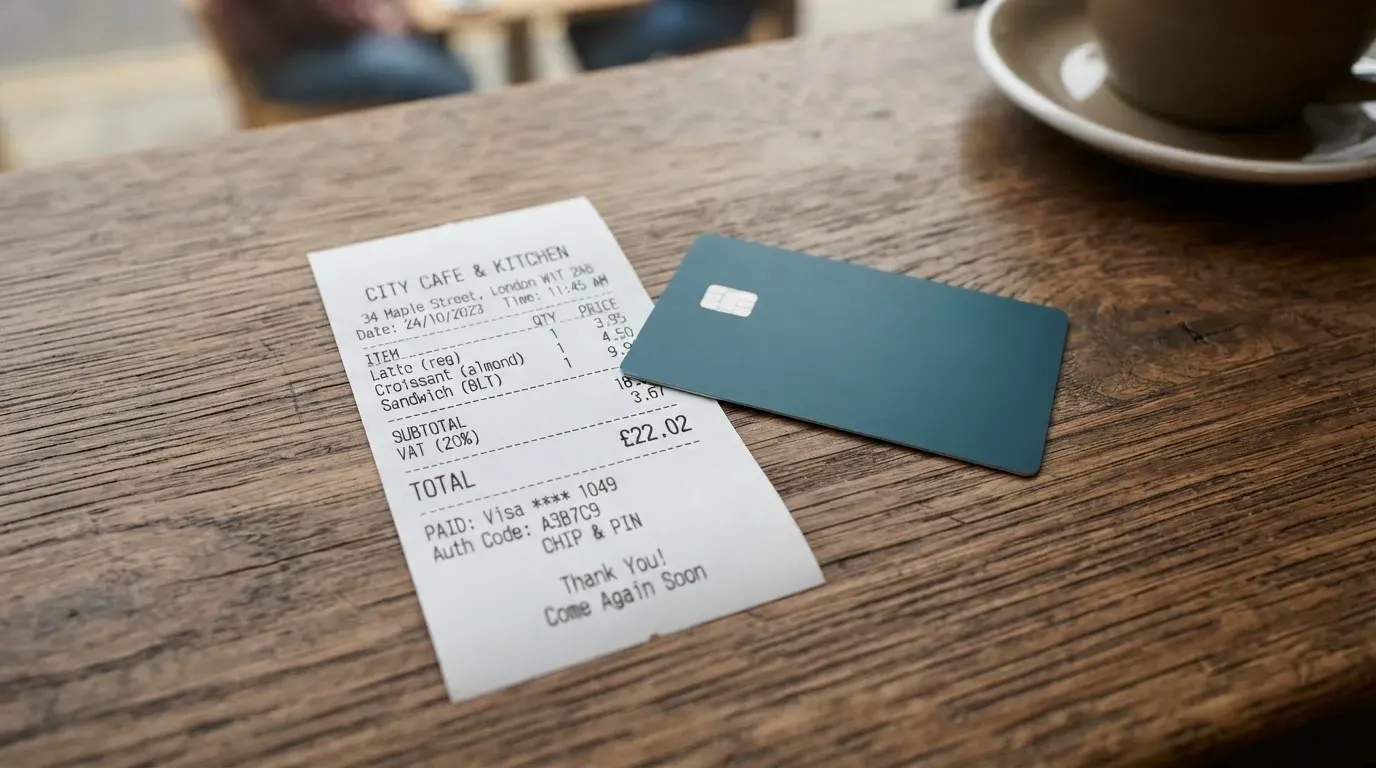
But “zero fees” is not “zero cost”, and this is where I think people get misled. There is no Coinbase transaction fee, but there is a spread that applies when Coinbase buys, sells or trades crypto. That spread is applied when your crypto balance is converted at the moment of payment. So the cost of spending $50 of crypto is not $0 — it is $0 plus whatever the spread costs you at that moment’s prices. That is the number to watch if you are spending crypto rather than dollars.
| Fee or limit | What the card states |
|---|---|
| Card issuance | Not stated |
| Monthly fee | $0 |
| Spending fees | Zero spending fees |
| Annual fee | No annual fees |
| Crypto conversion | Spread applies when Coinbase buys, sells or trades crypto |
| International transactions | 0% fee from the issuer; network fees apply |
| ATM withdrawal | $0 charged by Coinbase; ATM operator may charge |
| Card currency | USD only |
| Tiers | Single tier |
| Daily and monthly limits | Not stated; limits vary by customer |
Let me put three ordinary payments through this, because abstract fee tables rarely tell you what a purchase will cost.
Buying coffee with dollars you already loaded. You pay $0 in card fees. If you topped up from a linked bank account or a paycheck deposit, that was free too. This is the clean case.
Buying the same coffee with crypto. You pay $0 in card fees and the spread on the conversion. That spread is not published as a fixed percentage on the card pages I read — it moves with the market — so the honest thing is to say you pay the difference between Coinbase’s buy/sell price and the reference price, at that moment.
Spending in a shop abroad. The issuer charges 0%, but Coinbase “may also” charge a fee, and the network does its own conversion of foreign-currency purchases. So international spending is not free, and you should not treat this card as a no-cost travel card. Multi-currency balances are not stated on the public pages.
Limits are the other place the picture softens. The current pages do not state daily or monthly limits; they say limits vary by customer and risk checks may lower them, and point you to the app. An older combined terms document gave a concrete version of the same idea: no more than $1,000 in 24 hours across ATM and over-the-counter cash withdrawals, and a maximum of six cash withdrawals a day. I would not rely on those numbers today, but I would plan around the shape of them — and note that ATM fees count toward the daily limit.
How to Top up the card
There are three ways, and only one of them is exciting.
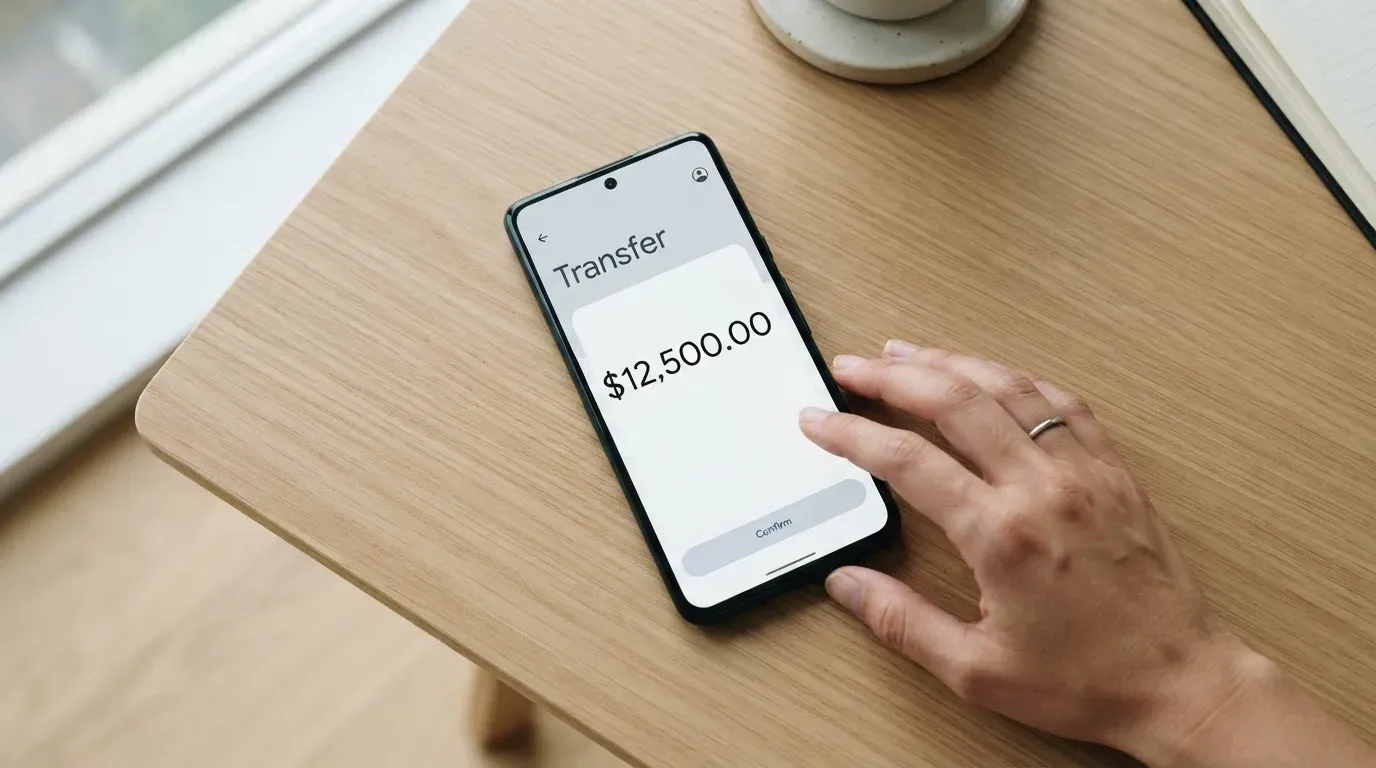
Link a bank account. Free, per the card page.
Deposit part of your paycheck into Coinbase. Also free, per the card page. This is quietly useful if your employer allows it, because it removes the transfer step entirely.
Spend a crypto balance on Coinbase. The card converts your crypto to USD when you pay. This is the route most people are actually here for, and it is the one where the spread applies.
The older fee schedule is also explicit and reassuring on this point: funding from the Coinbase USD Wallet $0, monthly fee $0. What the card’s public pages do not state is the minimum top-up amount, and they do not name which coins or which networks are supported for funding. That is a real gap, and I want to name it rather than paper over it — if you intend to fund by sending tokens in, ask first.
Taking money back out is another stated gap: the withdrawal conditions are not stated on the current pages. An older agreement did say that if your address changed to a non-US address, the card could be cancelled and funds returned, and that funds on the card do not expire after the “Valid Thru” date on the card. The address point matters: if you are a US resident who travels or relocates, read that clause carefully before you move.
Paying with it every day
Everyday use is where this card scores best, 9 out of 10, and the reason is simple: it behaves like an ordinary prepaid Visa and does not ask you to think at the till.
The optional part is the reward. US Card users can switch on crypto rewards on every purchase. The rate is variable and shown in the app, and you pick from a rotating selection of crypto. So this is not a fixed-percentage cashback card; it is a card where you choose which coin you get paid in, and how much depends on the rate displayed at the time.
Where you can pay: anywhere a Visa prepaid card is accepted, online and in store, plus ATMs. Apple Pay and Google Pay support is reported by third parties — TechRadar carried a headline saying Coinbase lets customers use its Coinbase Card with Apple Pay and Google Pay, and CryptoSlate lists the support — but I could not confirm that on an official Coinbase page, so treat it as unofficial. Whether any merchants block the card is likewise not something I found.
The app itself is genuinely well made. It runs on iPhone (iOS 16.4+), Mac and Vision, in 18 interface languages including Russian and Turkish, and it carried an App Store rating of 4.7 from 1.8M ratings when I read it on 2026-10-20. I did not get Google Play data — the page returned nothing — so I cannot tell you what Android users see.
If a payment goes wrong, the older agreement describes the path: report unauthorized transactions, the issuer decides within 10 business days and may take up to 45 days, crediting the account within 10 business days meanwhile. Losses after 60 days from the statement may not be recoverable. Merchant refunds are the merchant’s job and may post late. Chargeback via Visa is not stated. That 60-day line is the one to remember.
One last general point, because it explains declines you may hit: a declined payment can leave a hold on your funds that stays for several days, typically up to 7.
What can go wrong
This is the section I would not skip, and it is where the reliability mark of 7 comes from.
Your funds are custodial. The money sits with Coinbase and the issuing bank, not with you. Under the older agreement, funds transferred from the Coinbase USD Wallet are eligible for FDIC insurance up to $250,000 if deposit-insurance requirements are met, and Visa Zero Liability applies — report a lost or stolen card at once. But holding funds with a custodian carries real risk: Mt. Gox reported about US$350 million stolen in 2011-2014, Coincheck about US$400 million in 2018, and the Ronin Network lost US$625 million in 2022. The principle generalises, and it is worth naming because it is the trade you are making with any custodial card.
Account blocks are the loudest complaint. Trustpilot, for Coinbase as a whole rather than this card, showed 4.0/5 from 23,282 reviews when I read it on 2026-10-20, with 45% five-star and 43% one-star. The recurring themes in 2026 reviews: slow or absent support in fraud cases, account lockouts and heavy verification, multi-day holds on larger deposits, and fees on conversions and debit-card transfers. That is not a marketing-site anecdote; it is the most common experience in a very large review set.
Regulatory and consumer bodies have looked at this. A US PIRG study ranked Coinbase third among digital wallets by CFPB complaints, with difficulty retrieving money as the issue. Interesting Engineering reported that Coinbase confirmed it had mistakenly overcharged users’ bank accounts. Official incident data for the card is not stated, so I will not invent a count — but the pattern in the reviews is consistent with the regulatory picture.
The issuer has changed. This one deserves a paragraph of its own because it is the sort of thing that quietly matters. The agreement in the official static-assets folder names MetaBank, N.A. as issuer, with Marqeta as programme manager, while the current card page names Pathward, N.A. Both are named in material published by Coinbase; they point to different periods. I could not find other dated events in my searches. The practical takeaway: read the agreement that applies to you now, not one you find cached, because the issuing bank is not a permanent feature of any crypto card.
Support is a phone number and an email. 1-888-908-7930, [email protected], mail at 100 Pine Street, San Francisco, CA 94111, a help centre, and in-app Card > Support — all per the older agreement. Given the review themes above, I would not treat any of that as fast.
I am not going to tell you this card is safe or anonymous. It is neither, and anyone who tells you otherwise is selling something.
What to take instead
If the Coinbase Card’s shape does not fit you, the honest comparison is short, because most alternatives publish far less about themselves.
Bybit Card — 6.0 / 10, and the widest reach of the three. This is the one to look at if geography is your problem. Its official help centre lists Argentina, AIFC (Kazakhstan), Georgia, Kazakhstan, Australia, Mexico, Brazil, Peru and Asia Pacific. It asks for your country of residence, and if the country is not supported it will “register your interest”. The cards page states plainly: “This product is not meant for European Economic Area customers. All European Economic Area customer participation is strictly prohibited.” Bybit’s restricted list for fiat services — deposits, withdrawals, One-Click Buy, not the card itself — includes Belarus, Russian Federation, Serbia, China and the United States, with the note that Russian users can only make RUB transactions in fiat. I found no card-specific statement on Russian or Belarusian citizens and no citizenship-versus-residence rule; card currency “depends on the country of your Advanced Identity Verification”.
The card comes as virtual and physical, with a virtual card obtained first, no physical card in Peru, and rollouts in phases. Networks vary by region: Mastercard prepaid in Argentina, Mastercard credit card as written in the table for AIFC, Georgia, Kazakhstan, Australia and Mexico, Visa prepaid in Brazil and Peru, Visa credit in Asia Pacific. Currency: USD for AIFC, Georgia, Kazakhstan, Australia and Asia Pacific, ARS in Argentina, MXN in Mexico, BRL in Brazil, PEN or USD in Peru.
Its costs are more transparent than Coinbase’s, which is worth something on its own. Virtual card issuance is free in all regions “until further notice”, and the cards page says “Auto interest, no annual fees”. Physical issuance and replacement: Australia 29.99 USD, Argentina 5 USD or USDT, Georgia 29.99 USDT, Kazakhstan (AIFC) 29.99 USDT, Asia Pacific 5 USDT, none in Brazil or Mexico; VIPs holding an Australia, Kazakhstan (AIFC), Georgia or Asia Pacific physical card pay no issuance or replacement fee. The crypto conversion fee is 0.9% over the One-Click Sell rate for Australia, Asia Pacific, Georgia, Kazakhstan, Brazil and Mexico, 0.5% in Argentina, not supported in Peru. FX fees: 2% on top of the network rate for Australia, Asia Pacific, Georgia and Mexico; 2% “International Fee” on purchases outside Kazakhstan even in USD for AIFC; 7% Argentina; 1.5% Brazil; 1% Peru. FX padding is 0% for the Australia group and Mexico, 5% Argentina, 1% Brazil, with the excess refunded. Argentina adds VAT 21% on foreign digital services, 30% tax on foreign transactions and provincial gross-income tax of 1%–13.2%.
Two structural differences matter if you are weighing it against Coinbase. First, the card has no balance of its own: it draws on the Funding Account and the Flexible Easy Earn balance, fiat first, and only if fiat is insufficient is crypto sold at the One-Click Sell rate plus the card conversion fee. Supported cryptos are BTC, ETH, XRP, USDT, USDC and GRAM, with a default priority of USDT, then USDC, GRAM, BTC, ETH, XRP, which you can reorder in the Card Dashboard. That is a level of detail the Coinbase pages simply do not give. Second, since 2026-10-05 at 10:00 UTC, only crypto-funded transactions earn points or cashback — fiat-funded spending does not. The tiers run from Base at 2.00% with a 5 USD monthly cap and no unlock requirement, through Beta 2% and 50 USD at 500 USD spend, Alpha 4% and 150 USD at 3,500 USD, Apex 6% and 250 USD at 9,500 USD, Omega 8% and 400 USD at 12,500 USD, to Infinite 10% and 600 USD at 25,000 USD. Points pend for 4 calendar days, cashback arrives in USDT at points × 0.002, Auto Cashback must be on, Pay Later instalment bonus adds 1%, and there is a welcome offer of 10% cashback up to 110 USDT in the first 30 days.
MSX — 6.4 / 10, and the thinnest file of the three. I could not read an official page stating who can get it, what the card is, what it costs, how it is funded, or what it pays in rewards. I am listing it rather than endorsing it, because a 6.4 with no published detail is not something you can decide on.
Young Card — 5.7 / 10. Same problem, one detail more. Nothing official on eligibility, card type, cost, conversion or funding; the one stated feature is cashback paid in YNG tokens at a rate set by club tier — Essential 0.1%, Gold 1.8%, Platinum 3.6%, with Bronze and Silver not stated. Paying rewards in your own token is a different proposition from paying them in a stablecoin, and I would want to see the eligibility and fee pages before recommending it.
If you want a shape for this comparison rather than three paragraphs, here is the one that matters:
| Coinbase Card | Bybit Card | Young Card | MSX | |
|---|---|---|---|---|
| Score | 6.4 / 10 | 6.0 / 10 | 5.7 / 10 | 6.4 / 10 |
| Who can get it | US states except Hawaii | Argentina, AIFC, Georgia, Kazakhstan, Australia, Mexico, Brazil, Peru, Asia Pacific; not EEA | Not stated officially | Not stated officially |
| Card | Visa prepaid, virtual or physical | Virtual and physical, by region | Not stated officially | Not stated officially |
| Base cost | No spending or annual fees | Virtual issuance free; physical varies by region | Not stated officially | Not stated officially |
| Rewards | Rotating crypto, variable rate | Tiered, crypto-funded only, since 2026-10-05 | YNG tokens by club tier | Not stated |
| Card currency | USD only | USD, ARS, MXN, BRL, PEN or USD by region | Not stated officially | Not stated officially |
A last word on what a crypto card is underneath, since several of these limits come from the category rather than the brand. A card number starts with a 6- or 8-digit issuer identification number, and merchants can look it up — which is why a card issued in one country can look foreign to a shop in another. Merchants can refuse prepaid or foreign-issued cards on that basis. And a card is a payment service regulated separately from the crypto side, so a crypto card often depends on two licences: in the EU, MiCA has applied to crypto-asset services since 30 December 2024, while the card itself sits under e-money and payment-services law, where e-money institutions must safeguard customer funds in segregated accounts or insurance rather than as bank deposits. Coinbase’s own EU operation illustrates the difference: its Luxembourg licence replaced its national licences with one EU-wide authorisation. None of that changes your US card experience, but it explains why the same brand behaves so differently in different countries.
Who I would recommend it to
I would recommend the Coinbase Card to three kinds of person, and only those three.
If you live in the US, keep a Coinbase account anyway, and want to spend what is already there as dollars without a monthly charge or a fee at the till — yes, and the conversion spread is a fair price for that convenience. If you would rather not hand a card to a shop for coins you already hold, and a stablecoin balance plus a US bank account is what you actually use — the card will do that job quietly, and the optional rotating crypto reward is a bonus rather than the reason.
If you are outside the US, or you want to hold your own keys, or your main worry is support when a payment goes wrong, I would not start here. The geography ends that conversation for much of the world. The custodial model is a trade, not a feature, and with Trustpilot at 4.0/5 across 23,282 reviews and a 43% one-star share, the support story is the part to weigh most carefully. The reward is variable and the fees are zero, but neither of those compensates for a card that cannot be opened or that leaves you waiting when money is stuck.
And if what you want is to try a card in person before deciding: the disclosure that no credit check is required and no staking is needed is a genuine plus, the virtual card means you can start without waiting for post, and the app is the best-built part of the whole product. What it cannot do is travel with you, hold your keys, or answer the phone quickly.
Frequently asked questions
What is the Coinbase Card?
The Coinbase Card is a Visa prepaid debit card, available in virtual or physical form, that spends either cash or crypto. Any crypto balance is converted into US dollars at the moment of payment, so it behaves like an ordinary prepaid card at the till. It is issued by Pathward, N.A., a Member FDIC bank, and runs on the Marqeta platform. It is available in all US states except Hawaii, and in no other country.
Is the Coinbase Card free?
Spending fees and the annual fee are both zero, and Coinbase charges $0 for ATM withdrawals, though the ATM operator may charge you. There is one tier only, with no paid levels. The real cost sits elsewhere: a spread applies when Coinbase buys, sells or trades crypto, so spending crypto is not costless even though spending dollars already loaded is.
How do I get the Coinbase Card?
Sign up for Coinbase, then create a virtual card or order a physical card inside the app. Opening the account requires your name, address, date of birth and other identifying information, and Coinbase may also ask to see your driver’s licence or other documents. No credit check and no staking are required. The virtual card is the faster route, since the physical card has to arrive.
Does the Coinbase Card require identity checks?
Yes. Account opening follows US PATRIOT Act identity rules and requires name, address, date of birth and identification, and Coinbase may request identification documents before you can use the card. That is normal for regulated US financial products. Use may be limited until your identity is verified, which is why I would gather your documents before you start the application.
Can I use the Coinbase Card outside the United States?
You can spend it abroad, but it was not built for that and it is not free. The issuer charges 0% on international transactions, but Coinbase “may also” charge a fee, and the network converts foreign-currency purchases at its own rate. The card is US-only for eligibility, and the currency is USD only. An older agreement also said that a change of address to a non-US address can lead to card cancellation and funds returned.
How do I top up the Coinbase Card?
Three ways: link a bank account, deposit part of your paycheck into Coinbase, or spend a crypto balance that Coinbase converts to dollars when you pay. The card page describes bank and paycheck funding as zero fees, and the older schedule lists funding from the Coinbase USD Wallet at $0 with a $0 monthly fee. The minimum top-up and any network fees are not stated on the public pages, and no specific coins or networks are named.
Can I add the Coinbase Card to Apple Wallet or Google Pay?
Support for Apple Pay and Google Pay is reported by third parties — TechRadar ran a headline saying Coinbase lets customers use its Coinbase Card with both, and CryptoSlate lists the support — but I could not confirm it on an official Coinbase page, so treat it as unofficial. I also found no information about merchants that block the card, though prepaid and foreign issuer numbers are declined by some merchants as a category.
Is the Coinbase Card safe, and who holds my money?
The funds are custodial: they sit with Coinbase and the issuing bank rather than in a wallet you control. Under the older agreement, funds transferred from the Coinbase USD Wallet are eligible for FDIC insurance up to $250,000 if deposit-insurance requirements are met, and Visa Zero Liability applies if you report a lost or stolen card at once. It is not anonymous, and card programmes can be wound down, as the FTX card was after Visa terminated its agreements in November 2022.
What are the Coinbase Card’s limits and ATM fees?
The current public pages do not state daily or monthly limits — they say limits vary by customer and risk checks may lower them, and point you to Card > Support in the app. ATM withdrawals cost $0 from Coinbase, with the ATM operator free to charge, and ATM fees count toward the daily limit. An older combined terms document gave $1,000 per 24 hours across ATM and over-the-counter withdrawals, with a maximum of six cash withdrawals a day.
Is the Coinbase Card worth it?
For a US resident who already keeps a balance on Coinbase and wants to spend it without a monthly or per-purchase fee, yes — the value is convenience at no stated cost. Outside the US it is simply unavailable. And if account freezes would be a serious problem for you, weigh the 4.0/5 Trustpilot score across 23,282 reviews, where 43% are one-star and the recurring themes are slow support in fraud cases, account lockouts and holds on larger deposits.
Exchange cards in the catalogue – cryptocardcatalog
Content created by the «cryptocardcatalog» team